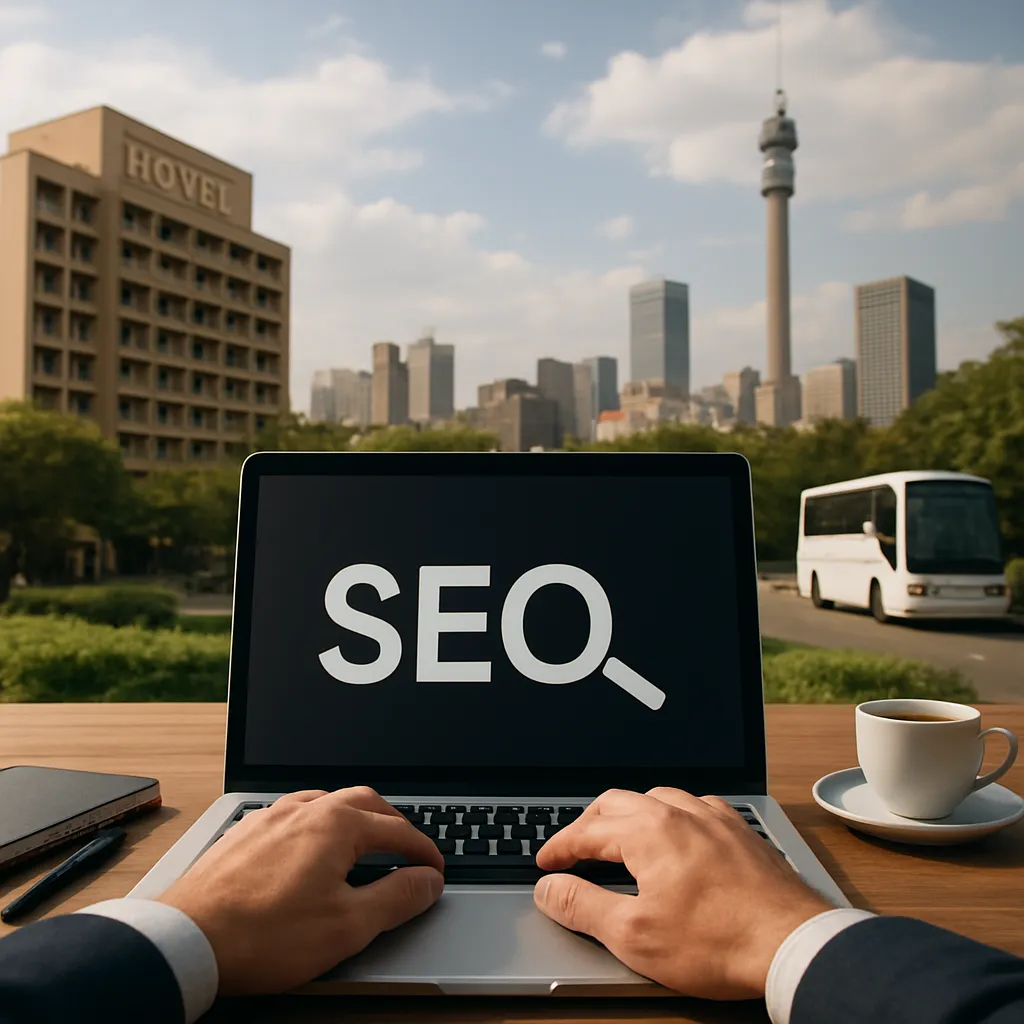
The hospitality sector in Johannesburg is experiencing rapid evolution, driven by travelers seeking unique experiences and seamless online interactions. Implementing a tailored SEO strategy can dramatically boost hotel and tourism operators’ digital presence, raising visibility, increasing direct reservations, and fostering guest loyalty. This article outlines essential tactics for optimizing your online footprint in Johannesburg’s competitive market.
Local SEO Foundations
Establishing a robust local SEO framework is crucial for hotels and tourism businesses that rely on geo-targeted traffic. By focusing on local signals, you signal search engines about your connection to the Johannesburg market, helping you outrank distant competitors.
1. Google My Business Optimization
- Claim and verify your listing promptly.
- Complete every section: business name, address, phone number, and local attributes.
- Upload high-quality hotel photos, virtual tours, and videos regularly.
- Encourage verified guest reviews and respond professionally.
2. Local Citations and NAP Consistency
Ensure your Name, Address, and Phone number (NAP) are identical across directories such as TripAdvisor, Yelp, and local Johannesburg tourism boards. Discrepancies erode trust with search algorithms and potential guests.
3. Geo-Targeted Schema Markup
Implement structured data, like schema for hotels, events, and local attractions. This markup enhances rich snippets, driving higher click-through rates for searches like “best hotel in Johannesburg” or “Johannesburg safari tours.”
Keyword Research and Content Strategy
Thorough keyword research and content planning form the backbone of any successful SEO campaign. Focus on search intent, user needs, and trending topics related to hospitality and travel within Johannesburg.
1. Identifying High-Value Keywords
- Use tools like Google Keyword Planner, Ahrefs, or SEMrush to uncover terms with substantial search volume and manageable competition.
- Target a mix of head terms (e.g., “Johannesburg hotels”) and long-tail phrases (e.g., “family-friendly hotel near Sandton City”).
- Prioritize keywords reflecting booking intent, such as “book Johannesburg luxury suite.”
2. Creating Engaging, Location-Specific Content
Develop blog posts, destination guides, and itineraries that highlight Johannesburg’s unique attractions, from Maboneng Precinct to Cradle of Humankind tours. Integrate keywords naturally and ensure each piece provides actionable insights for visitors.
3. Leveraging User-Generated Content
Incentivize guests to share photos, reviews, and travel tips. Feature this content on your site and social media channels to boost authenticity, enhance search relevance, and foster community engagement.
On-Page and Technical SEO
Optimizing on-page elements and technical infrastructure is essential for search engine crawling, indexation, and ranking. A seamless user experience also leads to higher conversion rates.
1. Title Tags and Meta Descriptions
- Include primary and secondary keywords within title tags, maintaining a length of 50–60 characters.
- Craft compelling meta descriptions (150–160 characters) that highlight unique selling points, such as rooftop pools or spa facilities.
2. Header Structure and Internal Linking
Use
and
tags to organize content hierarchically. Link between relevant pages—like room categories, special offers, and local attraction guides—to distribute link equity and keep visitors engaged.
3. Mobile-First and Page Speed Optimization
3. Mobile-First and Page Speed Optimization
Ensure responsive design and fast load times. Compress images, leverage browser caching, and minimize JavaScript. Google’s Core Web Vitals metrics can guide improvements, enhancing both user satisfaction and search rankings.
Link Building and Online Reputation
A strong backlink profile and a stellar online reputation amplify domain authority, making it easier to compete for top positions in search results.
1. Strategic Partnership Outreach
- Collaborate with local tour operators, event organizers, and Johannesburg travel bloggers to earn contextually relevant backlinks.
- Offer exclusive promotions or co-host events to encourage natural mentions.
2. Press Releases and Local Media Coverage
Announce hotel renovations, sustainability initiatives, or cultural partnerships through targeted press releases. Coverage in local news outlets enhances credibility and delivers valuable links.
3. Reputation Management and Review Generation
Monitor review platforms diligently. Address negative feedback constructively and highlight positive testimonials on your website. A robust review profile signals trustworthiness to both users and search engines.
Measuring Success and Continuous Improvement
Implementing an SEO strategy is an ongoing process. Regular analysis and adaptation ensure continued growth and alignment with evolving search algorithms and traveler behaviors.
1. Key Performance Indicators (KPIs)
- Organic traffic growth to key landing pages.
- Keyword ranking improvements for target terms.
- Conversion rate from organic search visits to bookings.
- Average session duration and bounce rate.
2. Analytics and Reporting Tools
Use Google Analytics, Search Console, and specialized SEO platforms to track progress. Set up dashboards for real-time insights and monthly reports to measure the impact of your initiatives.
3. A/B Testing and Iterative Updates
Regularly experiment with page layouts, call-to-action buttons, and content variations. Collect data, observe user behavior, and refine elements to maximize engagement and bookings.