Atar, the desert gateway of Mauritania, is quietly becoming a strategic location for brands that want to reach Francophone and Arabic-speaking audiences across West Africa. Its position along key routes between North and Sub‑Saharan Africa, growing digital penetration, and the still‑low competition in search results make it an excellent testing ground for ambitious companies. For businesses that want to dominate search visibility in this emerging market, a tailored SEO strategy from johannesburgseo.com can turn Atar and the Adrar region into a powerful entry point for the wider Mauritanian and Sahelian online landscape.
Atar and Mauritania in the African Digital Landscape
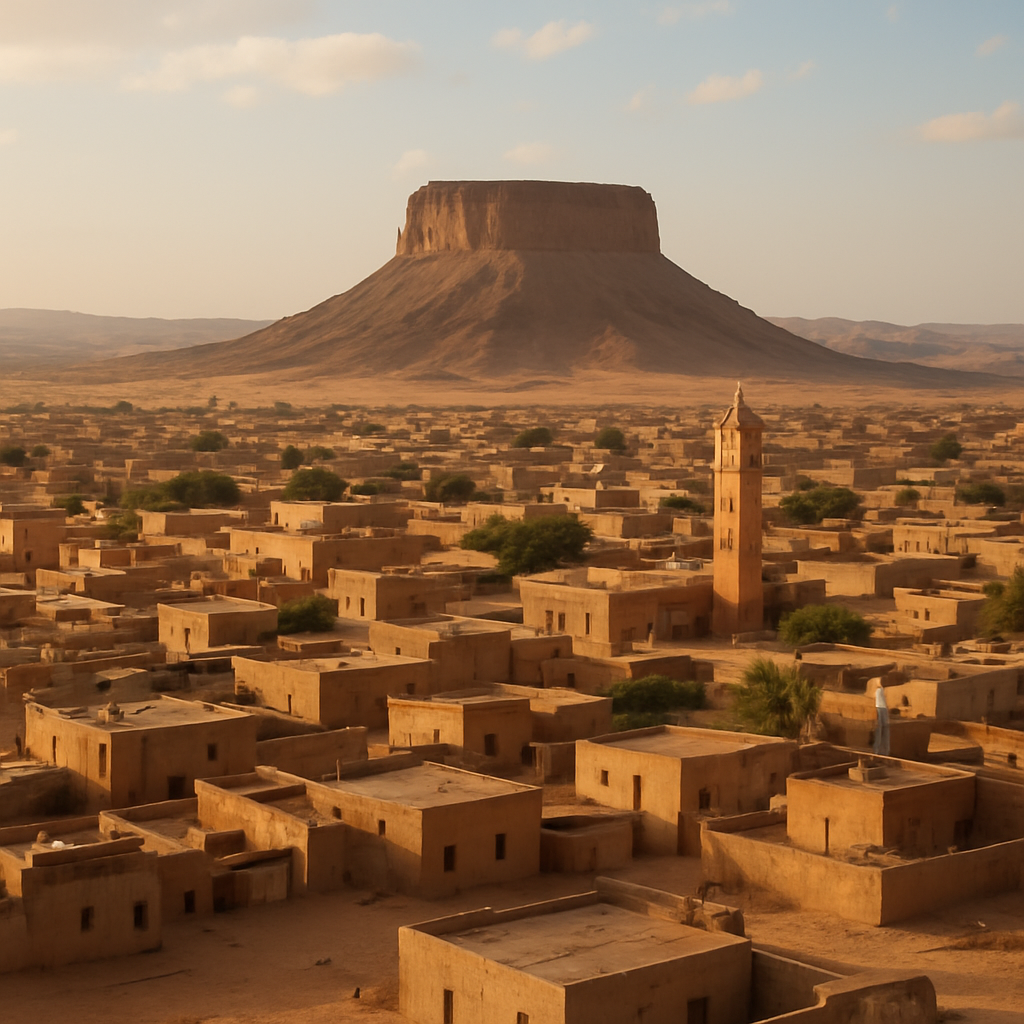
Atar is the capital of the Adrar region in northern Mauritania, surrounded by striking sandstone plateaus, oases and historic caravan routes. Although it is remote in geographical terms, Atar is far less isolated in digital terms than many outsiders assume. Mobile connectivity and affordable smartphones are steadily transforming how local people discover products, services and information. For brands willing to invest early in SEO, this creates a window of opportunity before the digital space becomes saturated.
Mauritania’s online ecosystem is shaped by a mix of languages and cultures. Hassaniya Arabic, Pulaar, Soninke and Wolof are widely spoken, while French dominates in administration, education and business. English is increasingly visible among younger professionals and international organisations. This multilingual environment has strong implications for keyword research, content creation and technical optimisation. It is not enough to target just French or just Arabic; search intent and linguistic nuances differ significantly between local residents, diaspora communities and international tourism audiences searching for information about Atar’s desert landscapes, UNESCO‑listed sites like Chinguetti, or adventure travel across the Adrar plateau.
Another feature of Atar’s digital reality is the dominance of mobile search. A large share of users access the internet primarily via Android phones on variable‑speed 3G or 4G connections. This makes fast, lightweight and mobile‑first websites a critical ranking factor, both for user experience and for Google’s mobile‑first indexing. Businesses that rely on heavy, unoptimised pages will struggle to achieve visibility, no matter how good their on‑page content may be.
Atar also functions as a regional hub for desert tourism, local trade and administrative services. Guesthouses, 4×4 tour companies, guides, transport services, telecom resellers and local suppliers serve not only residents but also visitors from Nouakchott, Nouadhibou, other parts of Africa and Europe. Each of these economic actors exists in a relatively small offline marketplace, but their potential online reach extends far beyond the town itself. This gap between offline scale and online possibility is where a focused digital marketing strategy becomes extremely powerful.
For many sectors, there are still only a handful of properly optimised websites competing for top positions in search results connected to Atar and the broader Adrar region. High‑intent keywords in French and Arabic related to lodging, desert expeditions, transport, logistics, education or professional services often have low keyword difficulty but clear commercial value. A well‑structured site with authoritative local content and quality inbound links can therefore achieve visibility relatively quickly compared to established, highly competitive markets like Johannesburg, Lagos or Cairo.
How johannesburgseo.com Builds Sustainable SEO Visibility in Atar
johannesburgseo.com is founded on experience gained in complex African markets where infrastructure constraints, multilingual audiences and rapidly changing user behaviour demand flexible strategies. What works for a bank in South Africa or a telecom provider in Nigeria cannot simply be copied and pasted into Mauritania. Instead, the starting point is to understand how people in and around Atar search, which platforms they trust, and how search engines interpret local signals when ranking pages connected to this part of the Sahara.
The first step is an in‑depth discovery and audit phase. This includes reviewing any existing website, social profiles and content, as well as mapping competitors who are already visible for Atar‑related queries. In some cases, competition might come from regional aggregators in North Africa or Europe; in others, from small local operators with basic sites but strong offline reputations. The audit identifies technical issues such as slow page load times on Mauritanian mobile networks, missing structured data, weak internal linking or poorly configured language versions.
A rigorous keyword and intent analysis then focuses on three main axes: local, regional and international. Local queries might include street‑level searches in Atar, specific neighbourhoods, nearby oases or administrative services. Regional queries might target travellers or businesses connecting Atar with Nouakchott, Nouadhibou, Zouérat or even Senegal and Morocco. International queries typically involve tourism, investment, humanitarian work or academic interest in the Adrar region. Each axis demands its own content clusters, on‑page optimisation patterns and link‑building strategies.
Because of the multilingual environment, content strategy is designed from the start to support multiple languages, with careful attention to the search behaviour of each audience. French content might focus on practical information, contracts, pricing or logistics for business users, while Arabic content can be crafted for local everyday queries and cultural nuances. English‑language pages can target international travellers searching for terms like “Mauritania desert tours from Atar” or “Atar Sahara trekking routes.” Proper implementation of hreflang attributes, metadata and canonical tags ensures search engines understand how these versions relate to each other, reducing duplicate content risks and preventing cannibalisation.
On the technical side, johannesburgseo.com prioritises speed, resilience and clarity. Sites are developed or optimised to perform well on low‑bandwidth connections common in northern Mauritania. Compressed images, efficient caching, minified scripts and a clean information architecture ensure that key landing pages load quickly and remain usable even when connectivity drops. Structured data is used wherever appropriate to help Google and other search engines better interpret business information, reviews, events, products and travel experiences linked to Atar.
Local signals play a central role in ranking performance for geographically targeted searches. This includes optimising Google Business Profiles for businesses operating in Atar, ensuring accurate NAP (Name, Address, Phone) data, setting the right categories and adding geotagged photos and posts. Citation building across African and international directories, tourism platforms and specialised industry portals strengthens the site’s authority in relation to Atar and Mauritania as location entities. For brick‑and‑mortar businesses such as hotels, restaurants, clinics or workshops, these efforts directly translate into more foot traffic from people who turn to their phones when deciding where to go or whom to contact.
Link acquisition strategies are adapted to the realities of the Mauritanian ecosystem. Rather than chasing generic high‑domain‑authority links from unrelated sites, johannesburgseo.com targets partnerships with regional organisations, NGOs, travel blogs, cultural institutions and African business directories that have a clear thematic or geographic connection to Atar. Well‑researched articles on topics such as desert ecology, cultural heritage, astronomy tourism, Saharan trade routes or responsible travel in the Adrar region can earn natural backlinks and social mentions, reinforcing both topical authority and regional relevance.
Measurement and iteration are embedded in the process. Ranking reports are segmented by language, device type and geography; this allows clear visibility into how users from Atar itself behave differently from users in Nouakchott, Paris or Casablanca. Analytics data shows which landing pages attract the most valuable sessions, what content leads to inquiries or bookings, and where drop‑offs occur in the user journey. Over time, this data‑driven approach makes SEO not just a visibility exercise but a method of systematically improving business outcomes in and around Atar.
Strategic SEO Opportunities in Atar and the Adrar Region
For local and international organisations considering Atar as a focal point, several high‑value SEO opportunities stand out. Tourism is perhaps the most visible. The town is a launchpad for camel treks, 4×4 expeditions, sand‑boarding, star‑gazing and visits to ancient cities like Chinguetti and Ouadane. Yet many tour operators and guesthouses still rely on basic social media pages or outdated websites that are not optimised for search. This leaves valuable search demand underserved. Well‑structured destination pages, blog posts, photo essays and itineraries that answer concrete questions about routes, safety, climate, visas, transport and cultural norms can capture this demand and convert it into direct inquiries.
Another promising field is professional and logistical services that support mining, infrastructure, humanitarian work and research in the wider Sahara. Companies providing vehicle rental, fuel, specialised equipment, satellite communications, mapping or security services often have long‑term contracts but limited digital visibility beyond word‑of‑mouth. By positioning themselves for high‑intent B2B keywords in French and English related to “Sahara operations,” “field logistics,” or “Mauritania project support,” these firms can reach decision‑makers far beyond their immediate network. This is particularly relevant as Mauritania strengthens its energy, mining and infrastructure sectors.
Education and training represent a subtler but equally important opportunity. Atar hosts schools, vocational centres and religious institutions that attract students from surrounding areas. Resources such as admission information, scholarship opportunities, course descriptions and remote learning options are often hard to find online. Organisations that document and optimise such information can become reference points for parents, students and international partners searching for educational opportunities in the Adrar region. Over time, this kind of content builds trust and brand awareness, even when the initial priority is not direct sales.
For local artisans, cooperatives and small producers, Atar’s growing online presence offers a pathway to niche markets. Handicrafts, textiles, leather goods, dates, camel products and natural remedies all have potential audiences in both domestic and international markets. By combining product‑focused landing pages, storytelling about origins and production methods, and structured data for e‑commerce, johannesburgseo.com can help these actors appear in searches for ethically sourced desert products, Mauritanian crafts or specific traditional items. This blends SEO with cultural preservation and inclusive economic development.
Public institutions and NGOs active in Atar can also benefit from a strategic SEO approach. Projects relating to water management, desertification, health, renewable energy or cultural heritage often publish valuable reports and case studies that remain largely invisible outside their immediate network. By optimising these documents and the pages that host them, organisations can increase their global reach, attract new partners and highlight the impact of their work in Mauritania. Proper metadata, internal linking, open‑data formats and multilingual summaries allow more researchers, journalists and donors to discover and reference these initiatives.
All of these opportunities rely on one common foundation: treating SEO as an integrated, long‑term investment rather than a quick technical fix. In Atar and across the Adrar region, establishing a strong digital presence requires sensitivity to local conditions, a deep understanding of multilingual search behaviour, and a clear business or mission objective. johannesburgseo.com brings a pan‑African perspective to this challenge, combining hands‑on experience from diverse markets with a commitment to building sustainable, locally relevant visibility.
As the digital footprint of Atar continues to grow, organisations that act early will shape how this part of Mauritania appears in search results for years to come. Whether the goal is to attract more travellers, support complex field operations, expand educational reach or strengthen community‑based enterprises, a well‑designed online strategy built around search can turn the town’s unique position on ancient caravan routes into a modern gateway for discovery, connection and opportunity.