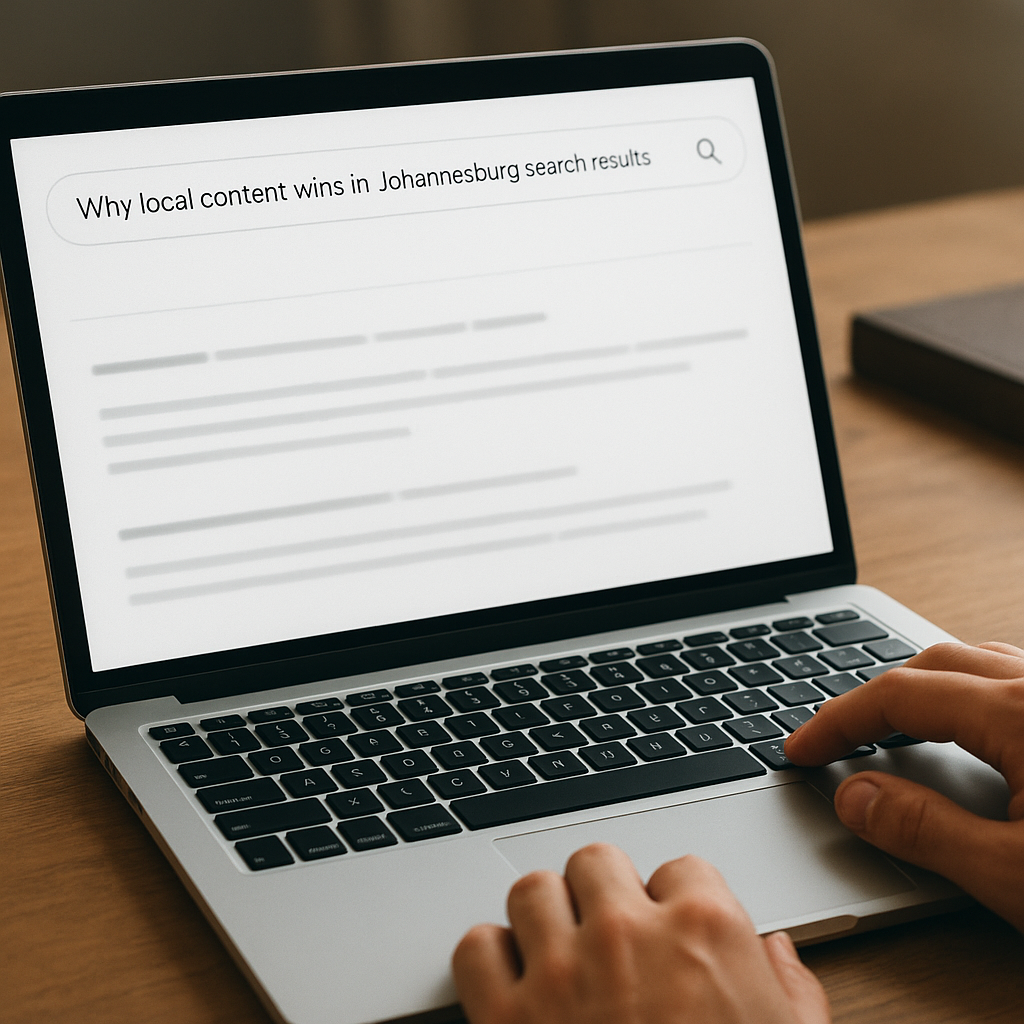
Johannesburg’s vibrant digital ecosystem demands a specialized approach to capture the attention of local audiences. Marketers and business owners must understand why local content consistently outperforms generic pages in Johannesburg’s competitive landscape. By focusing on targeted strategies—ranging from optimizing directory listings to crafting locally relevant blog posts—enterprises can secure top positions in the city’s search results and cultivate meaningful engagement.
Optimizing Local Visibility in Johannesburg
Effective visibility in Johannesburg hinges on mastering the fundamentals of SEO tailored to the metro’s unique market. Local businesses must begin by claiming and verifying their Google My Business profiles. This step not only solidifies ownership but also unlocks powerful features—such as the ability to showcase real-time updates, respond to reviews, and highlight special offers. Ensuring accuracy in your business name, address, and phone number (NAP) across every platform is crucial; inconsistencies can confuse search engines and dilute ranking signals.
In addition to NAP consistency, targeted keyword research is a cornerstone of local optimization. Instead of generic terms like “coffee shop,” focus on “best coffee shop in Sandton” or “Soweto artisan coffee.” These long-tail phrases reflect genuine search intent and account for regional dialects or neighborhood nuances. Incorporating these keywords into title tags, meta descriptions, and on-page headings informs Google that your site is optimized for Johannesburg-specific queries.
Local directories and industry-specific portals—both national and community-driven—play another pivotal role. Submissions to trusted sites such as Yellow Pages South Africa or Bizcommunity.co.za function as citations that reinforce your brand’s legitimacy. Beyond strengthening your digital footprint, these listings often provide direct referral traffic from users actively seeking local services. Ensure that each entry maintains coherent information and provides links back to your primary website for maximum benefit.
The Role of Mobile and User Experience
With smartphone penetration soaring across Johannesburg, mobile responsiveness is no longer optional. Websites that fail to deliver a seamless experience on smaller screens risk losing potential customers—and search engine favor. Google’s mobile-first indexing policy means the mobile version of your site becomes the baseline for ranking assessments. Prioritize fast loading times, intuitive navigation menus, and touch-friendly buttons to accommodate on-the-go users.
Beyond pure technical performance, consider how local users interact with content. Incorporate interactive maps that highlight service areas such as Rosebank, Melville, or Alexandra. Embed click-to-call buttons so that prospects can instantly connect with your sales or support teams. These elements contribute to an exemplary user experience and indirectly boost your standing in local search algorithms.
Engaging visuals—like photos of Johannesburg landmarks, neighborhood snapshots, or team members in action—also foster trust. When visitors see familiar surroundings captured on your site, they’re more likely to view your business as part of the community. High-quality imagery, combined with clear calls-to-action, guides users toward desired outcomes: scheduling appointments, requesting quotes, or visiting a physical store.
Building Authority with Local Signals
In the battle for top positions, building authority through local endorsements is indispensable. Customer reviews on platforms such as Google, Facebook, and regional forums serve as powerful social proof. Encourage satisfied clients to leave feedback, and be diligent in responding to both praise and criticism. Thoughtful engagement demonstrates your commitment to customer satisfaction and signals to search engines that your business is trustworthy.
Another key avenue is forging partnerships with community organizations, local bloggers, and Johannesburg-based publications. Collaborative content—such as interviews, guest posts, or co-hosted events—can earn valuable backlinks, transferring authority from established sites to yours. Prioritize quality over quantity; links from reputable local domains carry more weight than generic, unrelated sources.
Similarly, sponsoring local events or participating in Johannesburg’s cultural initiatives can secure coverage in news outlets and industry journals. These sponsorships often yield mentions in press releases and event listings, contributing to a robust profile of local citations. Each citation reinforces your geographic relevance and broadens your digital footprint across niche communities within the city.
Advanced Tactics: Structured Data and Reviews
To gain an edge over competitors, integrate schema markup into your site’s HTML. This structured data helps search engines interpret critical business information—such as operating hours, service areas, and product offerings—with greater precision. For example, implementing “LocalBusiness” schema tags can enhance your search presence with rich snippets featuring star ratings, price ranges, or address details directly in the search results.
Incorporating event markup is particularly advantageous for Johannesburg enterprises hosting workshops, networking meetups, or local festivals. By specifying event details, dates, and ticketing options in structured data, you increase the likelihood of visibility in Google’s event carousel, driving higher attendance and broader brand exposure.
On the review front, cultivate a systematic approach to feedback collection. Use automated email follow-ups after purchases or service completions to request testimonials. Display recent reviews prominently on your site, rotating fresh feedback to demonstrate ongoing customer satisfaction. When reviews include geographic references—such as “I visited their Fourways office”—search engines further interpret your business as deeply embedded within Johannesburg’s community fabric.
Finally, monitor local ranking performance through geotargeted tools and analytics platforms. Track keyword positions for various neighborhoods, compare performance against direct competitors, and adjust strategies based on real user behavior. This data-driven approach ensures that your content remains aligned with evolving search patterns and local trends.