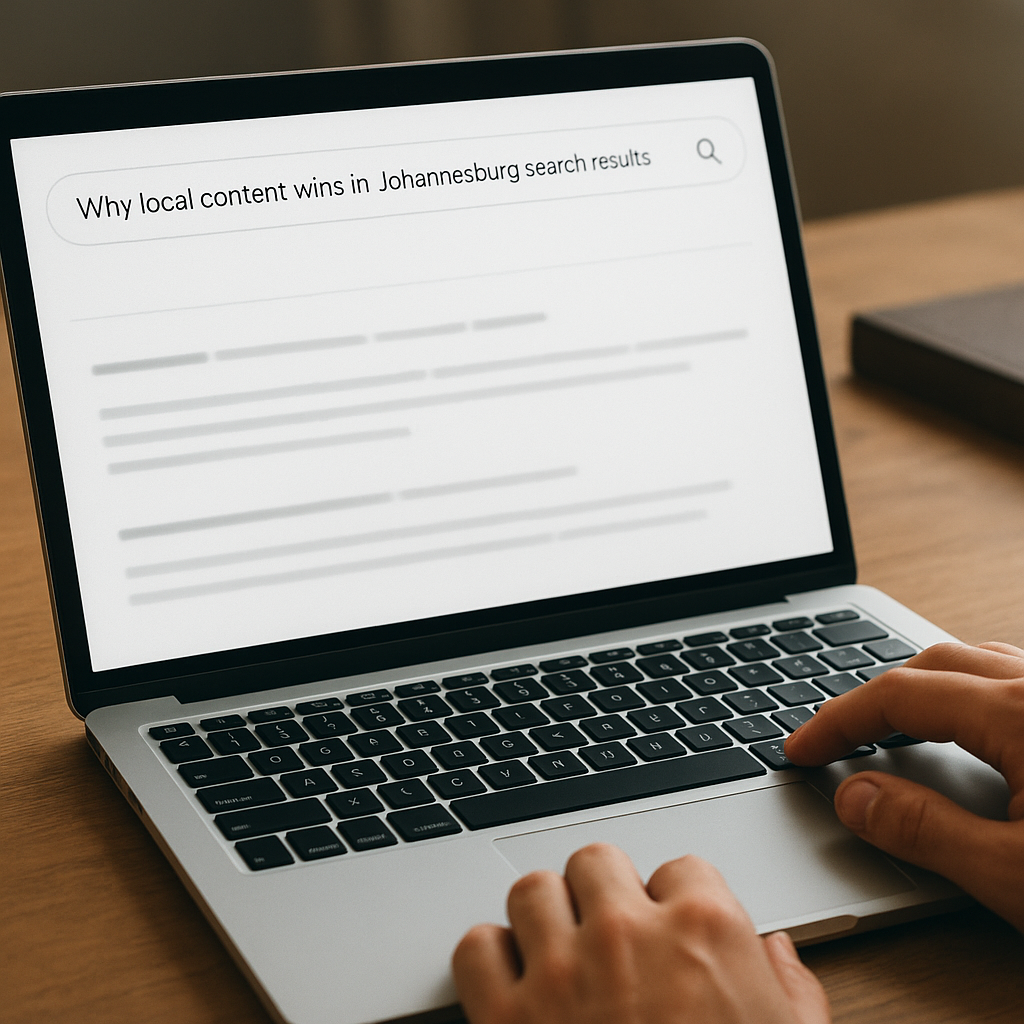
As a new venture striving to establish a powerful online footprint, mastering SEO in Johannesburg can accelerate visibility, drive targeted traffic, and spark growth. This beginner’s guide breaks down essential tactics—from optimizing for local SEO to crafting a robust keyword strategy—tailored specifically for startups in one of Africa’s most dynamic markets.
Understanding the SEO Landscape in Johannesburg
Johannesburg’s digital ecosystem is both competitive and opportunity-rich. Consumers, professionals, and businesses flock to search engines to find products, services, and resources. By focusing on regional trends and local search behavior, startups can capture high-intent queries and outpace larger competitors.
Why Local Matters
Targeting a broad, national audience might dilute your efforts. Instead, honing in on the Johannesburg metro area allows you to:
- Attract customers who are ready to purchase or engage.
- Build authority within specific boroughs like Sandton, Rosebank, and Braamfontein.
- Leverage geographic modifiers (e.g., “digital marketing agency Johannesburg”) to improve ranking.
Key Players and Search Behavior
Understanding competitor strengths and weaknesses is crucial. Conduct a basic analysis by:
- Reviewing the top 5 pages that rank for your primary keyword.
- Evaluating their on-page optimization, including meta tags and page speed.
- Assessing backlink profiles to identify link-building opportunities.
Local forums, community sites, and social media groups (e.g., LinkedIn Johannesburg communities) also reveal trending topics and pain points.
Cultivating Effective Keyword Strategies for Local Reach
Keywords remain the backbone of any successful SEO campaign. For Johannesburg-based startups, blending global industry terms with geo-specific phrases unlocks high-value traffic.
Researching Primary and Secondary Keywords
- Use free tools like Google Keyword Planner, Ubersuggest, and AnswerThePublic to uncover search volume and competition data.
- Identify at least 5 primary keywords (e.g., “Johannesburg tech startup SEO”) and 10–15 secondary keywords that incorporate local intent (e.g., “best SEO consultant in JHB”).
- Analyze user intent: are they seeking information, services, or purchasing?
Focus on keywords with moderate competition and steady monthly searches. This balance helps a young site gain traction without aggressive budget commitments.
On-Page Optimization Tactics
Optimizing each page for your chosen keywords involves:
- Meta Tags: Ensure each title tag and meta description naturally includes your target keyword and a geographic modifier.
- Header Tags: Structure content with h2 and h3 headings that reflect keyword themes.
- URL Structure: Keep URLs short, descriptive, and inclusive of main keywords (e.g., /seo-services-johannesburg).
- Image Alt Text: Describe images with keyword-rich, user-friendly text.
Quality content that adds genuine value—such as how-to guides, local case studies, and data-driven insights—helps with dwell time and reduces bounce rates.
Leveraging Google My Business and Local Citations
Optimizing your Google My Business profile is non-negotiable for any Johannesburg-focused startup. To succeed:
- Complete every section: business hours, categories, description, and high-quality images.
- Encourage satisfied customers to leave positive reviews, increasing credibility and click-through rates.
- Maintain consistent NAP (Name, Address, Phone number) data across local directories like Yellow Pages, Brabys, and niche industry sites.
Local citations—mentions of your business name and details—signal relevance to search engines and strengthen your regional authority.
Building a Sustainable SEO Framework for Your Startup
Rather than chasing quick wins, a long-term SEO strategy focuses on iterative growth, technical soundness, and link equity. Below are foundational elements every Johannesburg startup should implement.
Technical SEO Best Practices
- Site Speed: Optimize images, leverage browser caching, and use a reliable hosting provider. Fast-loading pages improve user experience and rankings.
- Mobile Responsiveness: Ensure your site is fully functional on smartphones and tablets, as mobile-first indexing is now standard.
- XML Sitemaps and Robots.txt: Submit a sitemap to Google Search Console and configure robots.txt to guide crawlers effectively.
- Schema Markup: Employ local business schema to provide structured data, enhancing rich snippet potential.
Content Marketing and Backlinks
Quality content attracts natural backlinks from authoritative local and industry sites. Strategies include:
- Guest Posting: Publish insightful articles on South African tech blogs and entrepreneurial platforms.
- Local Sponsorships: Partner with Johannesburg events or community initiatives and earn mentions on event websites.
- Thought Leadership: Create in-depth whitepapers or case studies reflecting your expertise and encourage sharing.
- Resource Pages: Compile valuable local resources (e.g., coworking spaces, funding sources) and request inclusion on municipal or trade association sites.
Regularly audit your backlink profile to disavow spammy links and maintain a healthy, diversified link portfolio.
Analytics, Monitoring, and Continuous Improvement
Measuring performance guides your next steps. Implement these tracking tools:
- Google Analytics: Monitor traffic sources, user behavior, and conversion paths.
- Google Search Console: Track indexation status, search queries, and site errors.
- Rank-Tracking Software: Use platforms like Moz, SEMrush, or SERPWatcher to monitor keyword positions over time.
Establish a monthly review process to:
- Identify pages with declining traffic and optimize content or update keywords.
- Spot emerging local trends or events that warrant new content.
- Adjust your link-building focus based on sector shifts or competitor activity.
Commit to ongoing education by following reputable SEO blogs, joining local digital marketing groups, and experimenting with new techniques.