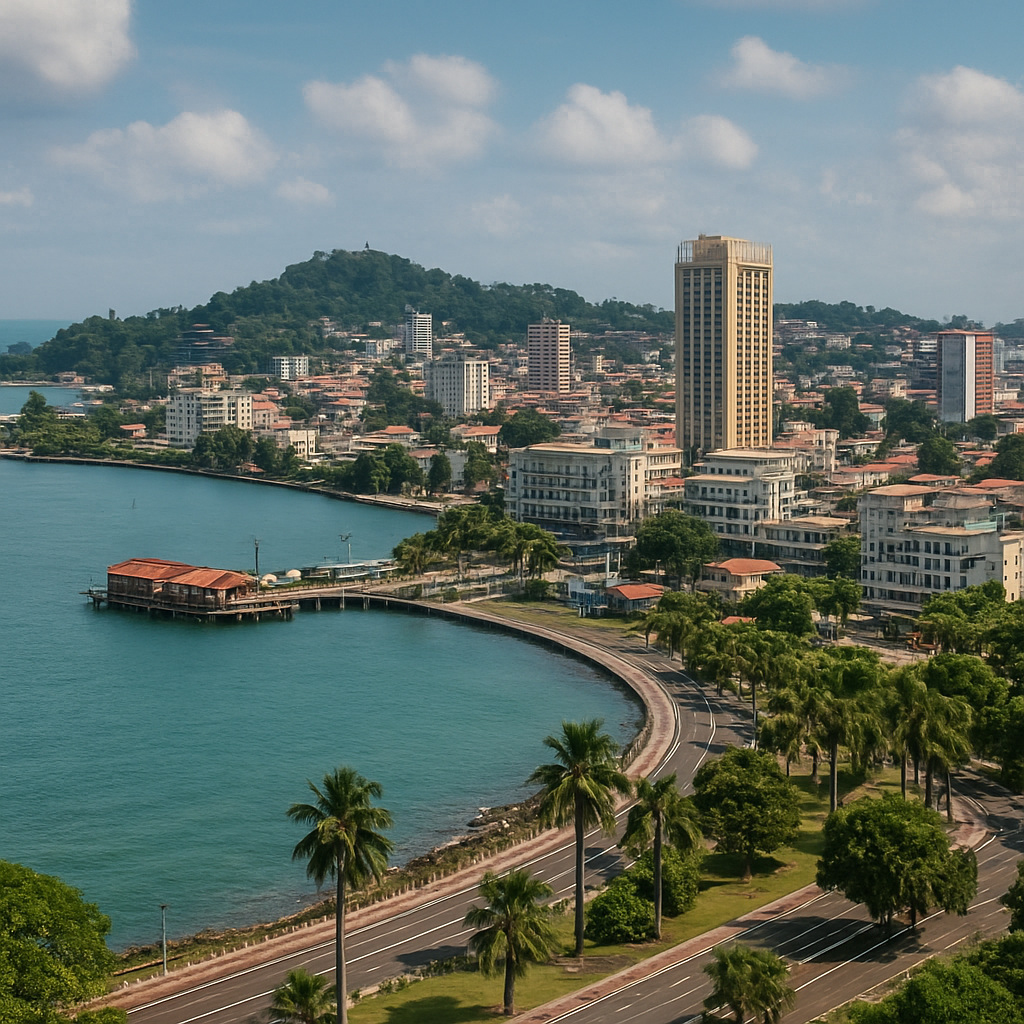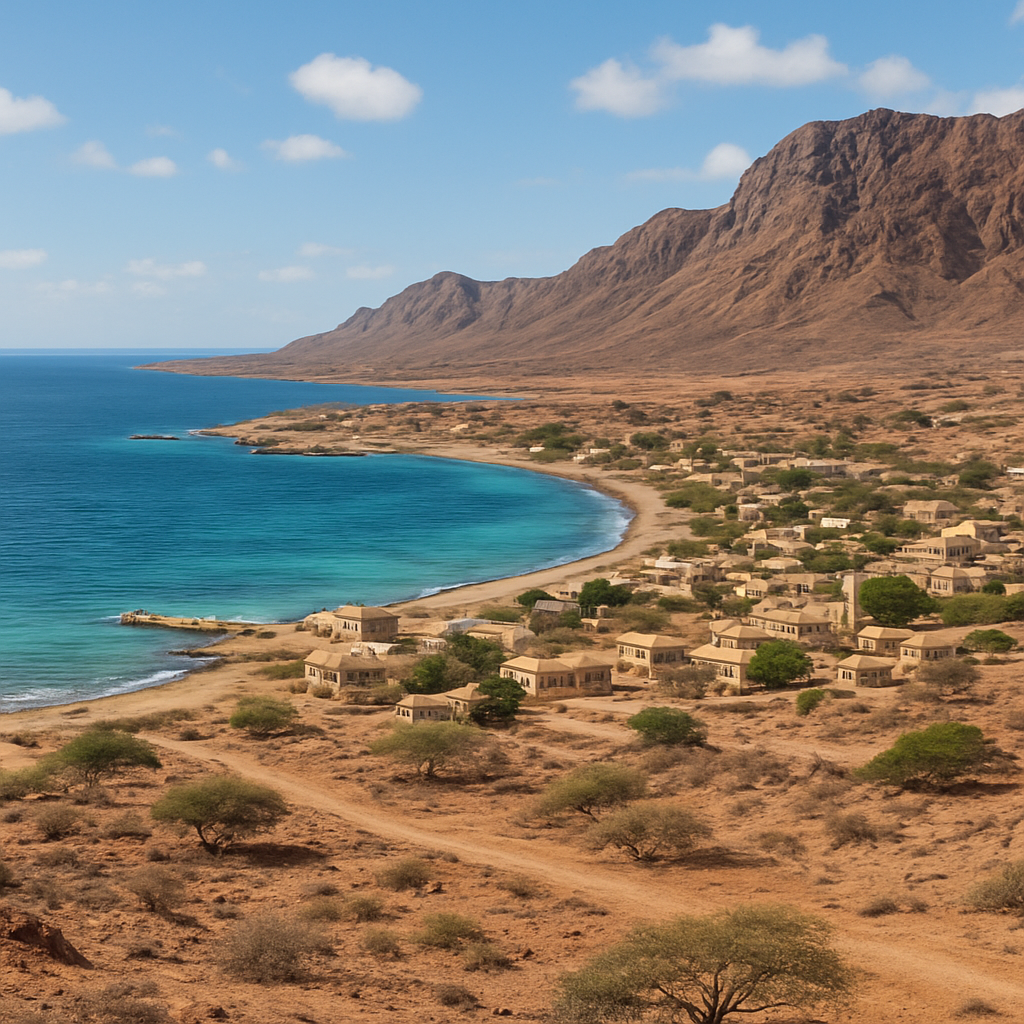
Between the shores of Obock and the bustling port of Djibouti City, a quiet but powerful digital transformation is under way. As trade routes, logistics hubs, and tourism corridors grow across the Horn of Africa, businesses in Djibouti and the wider region are turning to the web as their primary channel for visibility and growth. JohannesburgSEO.com brings specialized, Africa‑centric SEO expertise to this emerging market, helping companies rank higher in search engines, attract qualified traffic, and convert online visitors into loyal customers and partners.
Obock — Djibouti: A Strategic Digital Corridor in the Horn of Africa
Obock, on the northern shores of the Gulf of Tadjoura, has a long history as a coastal town linked to maritime trade, fishing, and regional movement across the Red Sea. Djibouti City, further south along the same coast, is now one of the most strategically positioned ports in the world, acting as an essential gateway for Ethiopia and a key node in global shipping, logistics, and energy routes. Between Obock and Djibouti, a corridor of opportunity is emerging, where traditional trade meets the rapid expansion of digital communication and online commerce.
For local entrepreneurs, logistics providers, freight forwarders, hotels, tour operators, and service companies, being visible online is no longer optional. Potential clients search for solutions in English, French, Arabic, Somali and Afar, often from abroad, long before they arrive in Djibouti or contact a supplier. When they do, search engines like Google decide whose website appears first, whose business looks trustworthy, and ultimately whose services are chosen.
This is where specialized search engine optimization becomes a critical growth lever. Generic, copy‑paste strategies developed for North American or European markets rarely take into account the mix of languages, connectivity constraints, cultural nuances, and business realities that define Djibouti and the broader Horn of Africa. An effective SEO partner must understand not only how search algorithms work, but also how people in and around Djibouti actually search, communicate, and make purchasing decisions.
JohannesburgSEO.com approaches the Obock–Djibouti corridor through the lens of African digital infrastructure and regional trade. Located in one of the continent’s largest economic hubs yet deeply connected to emerging markets across East and West Africa, the agency blends world‑class technical expertise with on‑the‑ground understanding of African business ecosystems. This combination is particularly valuable for Djibouti, whose economy is anchored in global logistics but still underrepresented online compared with its real‑world importance.
Local and regional companies often face similar challenges: fragmented online presence, outdated websites, low visibility in search engines, and limited content in the languages that matter most to their audiences. A shipping company with an office in Obock might rely on word‑of‑mouth and legacy partnerships, while global clients increasingly search online for capacity, routes, and compliance information. A mid‑size hotel in Djibouti City may depend on large booking platforms, losing margin and control of its brand, rather than ranking strongly in organic search for regional queries related to stopovers, conferences, or long‑term stays.
By building robust SEO strategies tailored to the realities of this coastal corridor, JohannesburgSEO.com helps such businesses capture demand that already exists but remains invisible to them. The route from Obock to Djibouti thus becomes not just a physical path but a digital one, connecting local providers with clients from Addis Ababa to Dubai, from Nairobi to Marseille, through search engines and high‑performing websites.
How JohannesburgSEO.com Builds Sustainable Visibility for Obock and Djibouti Businesses
Effective SEO is more than adding keywords to a page; it is a disciplined, data‑driven process of aligning your online presence with what real users search for and how search engines evaluate trust and relevance. In the Obock–Djibouti region, this process must also consider bandwidth limitations, mobile‑first behavior, multilingual audiences, and the increasing role of regional and international trade partners.
JohannesburgSEO.com organizes its work around several key pillars, each designed to solve a specific set of problems that companies in Djibouti commonly face.
Technical SEO for Fast, Reliable and Mobile‑Friendly Websites
Many websites in the region are slow, not optimized for mobile devices, or built on templates that make it hard for search engines to properly crawl and index content. In a context where mobile connectivity and limited data plans are the norm, performance and technical robustness are not cosmetic concerns; they determine whether a potential customer even stays on your site long enough to read your offer.
JohannesburgSEO.com starts with a thorough technical audit, checking:
- Site speed and loading times under typical African mobile network conditions
- Mobile‑friendliness and responsive design for phones and tablets
- Proper use of meta tags, header tags, canonical tags and structured data
- Indexing issues, crawl errors and broken links that reduce visibility
- Security features such as HTTPS, which is increasingly a trust signal for search engines and users alike
By resolving these technical bottlenecks, the agency ensures that search engines can effectively understand and rank the site, and that users in Obock, Djibouti City and beyond experience a fast, reliable interface that encourages them to engage and convert.
Keyword Research Rooted in Regional Demand
True SEO impact begins with understanding how your potential customers search. For Djibouti, this often means a complex mix of English, French and Arabic queries, along with localized terms related to logistics, port services, marine operations, tourism, energy, and international organizations. A freight operator might be searched under “shipping from Djibouti to Jeddah,” “logistics company for Ethiopia,” or French queries related to customs and handling. A hotel near the port might be discovered through phrases like “transit hotel Djibouti port,” “crew accommodation Djibouti,” or “business hotel near free zone.”
JohannesburgSEO.com conducts systematic keyword research focused on:
- Identifying high‑intent commercial queries relevant to Djibouti’s key sectors
- Mapping multilingual search patterns across English, French and Arabic (and where useful, Somali and Afar)
- Evaluating competitive difficulty and opportunity gaps where local providers can realistically outrank global directories and intermediaries
- Understanding seasonal and route‑specific trends, such as peaks in shipping, Hajj travel, or diplomatic and NGO activity
From this analysis, the agency creates a strategic keyword map aligning each important search phrase with a page or content asset on the client’s site. The result is a clear plan to capture relevant traffic from Obock–Djibouti‑related searches and channel it towards specific offers, from freight quotes to hotel bookings or consulting inquiries.
Content Strategy that Reflects Djibouti’s Real‑World Role
Search engines reward content that is useful, trustworthy and aligned with user intent. Yet many websites in Djibouti offer only thin, generic text that does not reflect the country’s actual strengths: its ports, corridors, free zones, data infrastructure, and position as a regional hub for diplomacy and aid.
JohannesburgSEO.com helps clients develop a content architecture that speaks directly to these realities. For example:
- Logistics and shipping companies can create pages dedicated to specific routes (Djibouti–Addis, Obock–Yemen), industries (energy, humanitarian cargo, reefer containers), and compliance topics (customs documentation, port regulations).
- Hotels and guesthouses can address niche needs such as crew rotations, NGO missions, long‑stay consultants, conference visitors, and tourists exploring the Gulf of Tadjoura, Lake Assal or whale‑shark seasons.
- Professional services (law firms, consultants, financial advisors) can publish in‑depth guides on Djibouti’s investment climate, free zones, bilateral agreements, and sector‑specific regulations.
- Local authorities or development initiatives in Obock can showcase projects, community partnerships, and opportunities for responsible tourism or sustainable fisheries.
All of this content is crafted for clarity and authority, but also structured for SEO: strategic headings, internal links, schema markup where appropriate, and concise summaries that match how users actually phrase their questions online.
On‑Page Optimization and Conversion‑Oriented Design
Driving traffic to a website is not enough; it must convert into leads, bookings, or transactions. JohannesburgSEO.com pays close attention to the intersection of on‑page optimization and conversion design. Title tags, meta descriptions, headings and image alt attributes are optimized not only for keyword relevance but also for clarity and click‑through potential. At the same time, calls‑to‑action, contact forms, booking widgets, and quote requests are positioned and phrased to match the expectations of visitors arriving from search.
For a Djibouti‑based freight forwarder, this may mean clear “Request a Quote” buttons on route‑specific pages, with forms tailored to typical cargo and origin‑destination pairs. For a hotel serving transit crews in Obock or Djibouti City, it could involve simplified booking paths for repeat corporate clients, along with prominent information on shuttle services, port access, and flexible check‑in options.
Link Building and Authority in a Globalized Port Economy
Search engines interpret backlinks as signals of trust and authority. In a market like Djibouti, where many businesses are part of international networks but under‑linked online, building a healthy backlink profile is especially important. JohannesburgSEO.com designs link‑building strategies that leverage the natural connections of port and corridor economies.
Potential sources include:
- Industry associations and chambers of commerce active in Djibouti and the wider Horn of Africa
- Partner companies across Ethiopia, Kenya, the Gulf region and Europe that can feature Djibouti‑based providers on their sites
- International organizations, NGOs and development agencies that collaborate with local firms
- Specialized logistics, shipping and maritime directories, where well‑optimized profiles can drive both traffic and authority
- Regional travel and business media interested in Djibouti’s unique position at the crossroads of trade routes and migration paths
Rather than chasing low‑quality links, the agency focuses on relevant, context‑rich mentions that enhance a company’s reputation while steadily improving its search rankings.
Analytics, Reporting and Continuous Improvement
SEO is an ongoing process. Search algorithms evolve, competitors adjust their strategies, and user behavior shifts with new routes, regulations, and economic conditions. JohannesburgSEO.com therefore embeds measurement and iteration into every project, using analytics and search console data to track:
- Organic traffic volumes and their geographic distribution, including visits from key partner countries and corridors
- Keyword rankings for strategic queries related to Obock, Djibouti and sector‑specific topics
- Conversion rates and lead quality from organic sessions
- Technical health metrics that signal when a site needs maintenance or further optimization
Regular reporting and strategy reviews allow clients to see not just vanity metrics but real business outcomes: more qualified inquiries, better‑informed prospects, and stronger brand visibility in the digital space that matters most to them.
Why African‑Centric SEO Expertise Matters for Obock and Djibouti
Djibouti is not a generic market. It is a small country with outsized strategic importance, sitting at the juncture of Africa, the Middle East and global sea lanes. Obock adds another layer to this picture, linking historic coastal communities with ongoing dynamics of migration, security and trade. As a result, the digital landscape connected to this corridor is equally distinctive: a mix of local, regional and global players, multiple languages, and a growing but still uneven adoption of online marketing.
Generic SEO approaches developed in distant markets often fail to capture these nuances. They may focus heavily on channels that are less relevant locally, underestimate mobile constraints, or ignore the cross‑border realities that shape demand for Djibouti’s services. JohannesburgSEO.com, by contrast, begins with the premise that SEO in Africa must be designed for Africa, taking into account infrastructure, behavior and economic structure across the continent.
Understanding Infrastructure and Connectivity Realities
Many users in and around Djibouti access the web through mobile networks with fluctuating speeds and relatively high data costs. Websites that are heavy, poorly optimized, or dependent on large scripts and high‑resolution media can become essentially unusable for this audience. JohannesburgSEO.com optimizes for lean, fast experiences that respect bandwidth while maintaining a professional, trustworthy appearance.
This focus on performance is not only a technical choice but also an ethical one: companies should not require potential customers to burn through expensive data just to load a homepage. Search engines increasingly reward such optimization, boosting sites that provide fast, stable experiences across devices, especially in emerging markets.
Aligning with Multilingual and Cross‑Border Search Behavior
Djibouti’s linguistic landscape—French, Arabic, Somali, Afar and English—creates a complex search environment. A single service may be described differently depending on who is searching: an Ethiopian trader, a French NGO worker, a Gulf‑based shipping manager or a local consumer. JohannesburgSEO.com works with clients to prioritize languages strategically, structuring sites in ways that are clear both to users and to search engines.
This can involve careful use of language‑specific URLs, hreflang tags, localized metadata and regionally targeted content. For instance, a guide on customs procedures might be published in both English and French, each version optimized for the phrases and regulatory concerns most relevant to its audience. The result is enhanced visibility not just in one country but across the network of markets that interact with Djibouti daily.
Capitalizing on Djibouti’s Role in Trade, Logistics and Diplomacy
Djibouti’s economy is anchored in activities that inherently generate online search: shipping schedules, port tariffs, corridor infrastructure, investment opportunities, tenders, and accommodation for diplomats, contractors and humanitarian staff. Yet many of these queries still land on outdated PDFs, scattered announcements, or third‑party directories rather than on well‑structured, authoritative local websites.
JohannesburgSEO.com sees this as a major opportunity. By systematically organizing and optimizing information related to Djibouti’s core strengths, local businesses and institutions can occupy top positions in search results for topics that directly drive investment and revenue. A properly optimized site for a free zone, for example, can become the go‑to resource for investors researching incentives and procedures. A shipping agency can become the primary source for route‑specific information that shippers routinely seek online before selecting a partner.
Supporting Sustainable Growth and Local Empowerment
SEO is often framed purely in terms of rankings and traffic, but in regions like Obock and Djibouti it can also contribute to broader development goals. When local businesses control their own digital presence, they are less dependent on foreign intermediaries, global booking platforms, or external narrative‑shaping. They can tell their own stories, highlight local employment and environmental practices, and negotiate from a position of greater visibility.
JohannesburgSEO.com aims to support this kind of empowerment by not only delivering services but also sharing knowledge. Over time, internal teams can learn to maintain content, monitor analytics and make informed decisions about new opportunities. The goal is not dependency on an external agency but a partnership that raises the baseline of digital capability across the Obock–Djibouti corridor.
From Coastline to Search Results: Turning Geography into Digital Advantage
The journey from Obock to Djibouti is relatively short in physical distance, but in digital terms it crosses a landscape of underused potential. Ports, roads, warehouses, hotels, communities and service providers line this route, each with a story, a value proposition, and a set of ideal customers who are already searching online. The role of focused, Africa‑aware digital marketing is to ensure that when those searches happen, local businesses appear prominently, with clear, relevant and persuasive information.
By combining rigorous technical SEO, multilingual content strategy, conversion‑oriented design, and link‑building aligned with Djibouti’s real‑world networks, JohannesburgSEO.com turns this vision into a practical roadmap. The result is not just higher rankings, but stronger client pipelines, healthier margins, and a digital footprint that matches Djibouti’s strategic significance on the map.
For companies operating between Obock and Djibouti City—or connected to this corridor through trade, tourism, diplomacy or logistics—investing in specialized SEO is an investment in long‑term resilience. As competition intensifies and more players enter the market, those who secure strong organic visibility today will hold a durable advantage tomorrow. In the evolving digital seascape of the Horn of Africa, that advantage can make the difference between being a footnote in search results and becoming the trusted, first‑choice partner that customers find again and again.