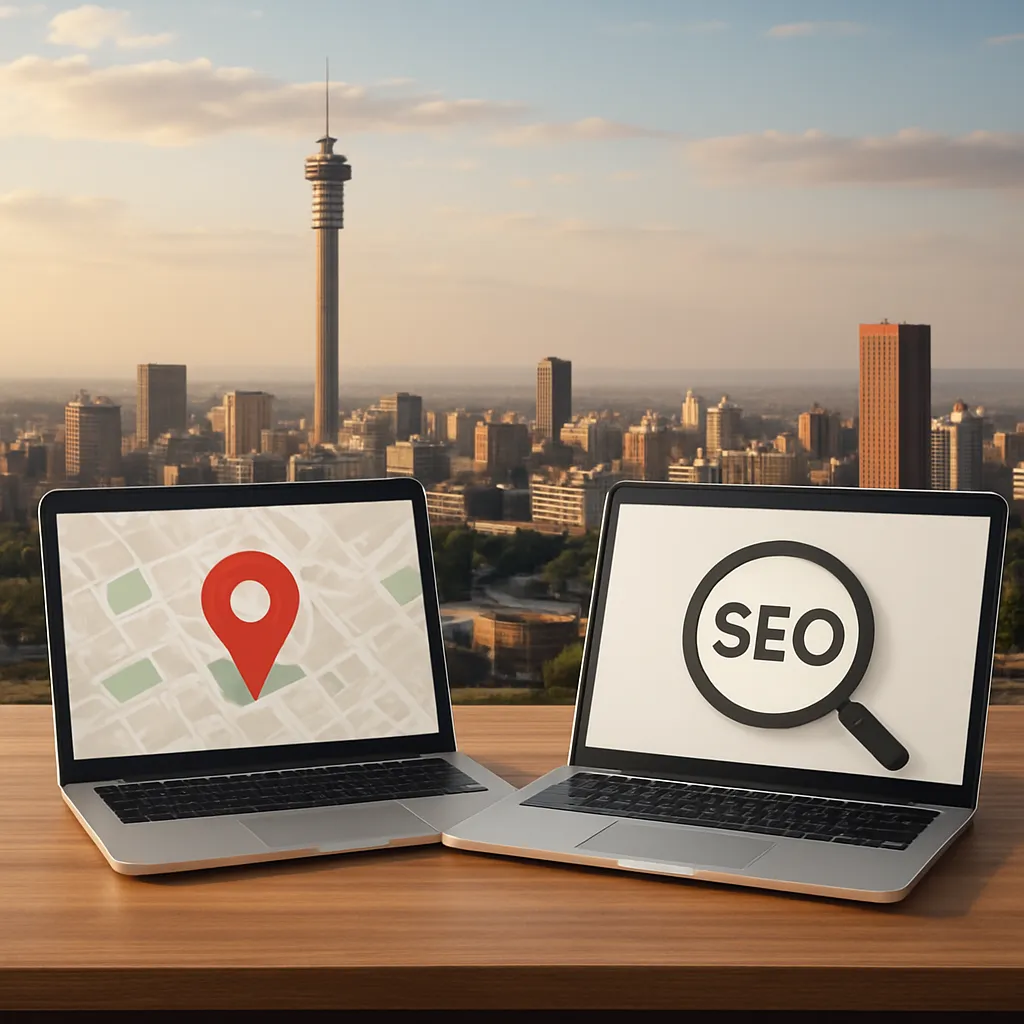
Johannesburg’s thriving commercial ecosystem demands a nuanced approach to search engine optimization. Businesses must decide between focusing on a local audience or expanding reach through a broader, national strategy. Understanding the unique characteristics of each path can lead to more efficient budget allocation, higher ranking results, and sustainable growth in South Africa’s biggest city.
Local SEO vs National SEO: Key Distinctions
Scope and targeting
Local SEO zeroes in on a defined geographic radius. It aims to connect potential customers within a city or neighborhood like Johannesburg. This approach is ideal for service providers, retail shops, and eateries that rely on foot traffic or in-person visits. By contrast, a national SEO campaign casts a wider net, attempting to attract visitors from across the entire country or continent. Companies selling digital products, consulting services, or high-ticket items often benefit from national visibility.
Keyword Strategy
Implementing local keyword research involves adding geo-specific modifiers—such as “Johannesburg plumbing services” or “Roodepoort coffee shop.” These keywords tend to have lower search volume but higher conversion rates because they match strong user intent. National SEO keywords are more competitive and broader: phrases like “best plumbing services South Africa” or “top coffee brands.” The trade-off lies in cost-per-click and effort; broader terms require significant content creation and backlink building to achieve top positions.
The Johannesburg Market: Specific Considerations
Consumer Behavior and Demographics
Johannesburg consists of diverse suburbs and cultural enclaves. From Sandton’s affluent districts to Soweto’s dynamic communities, user search habits vary widely. A successful local SEO campaign will analyze traffic sources in Google Analytics and adapt content to resonate with multilingual, multicultural audiences. Urban professionals may search for “air conditioning repair Sandton CBD,” while residents in outlying areas may prefer “Johannesburg East handyman.”
Local Listings and citations
Accurate business listings in directories like Yellow Pages, Brabys, and niche platforms (e.g., medical or legal directories) are crucial. Consistent NAP (Name, Address, Phone Number) information across these citations builds trust in search engines. Claiming and optimizing your Google My Business profile is an essential first step. Encourage customers to leave reviews, upload photos, and ask questions on the listing—each interaction can boost your local ranking and increase click-through rates.
Strategies for Optimizing Local SEO in Johannesburg
- Google My Business Optimization: Ensure your listing is claimed, fully completed, and regularly updated with fresh images, operating hours, and posts.
- Geo-Targeted Content: Create blog posts, guides, or service pages that reference specific suburbs (e.g., “Home Security Solutions in Bryanston”).
- Localized Schema Markup: Implement LocalBusiness schema with address, phone, opening hours, and service area to assist search engines in understanding your location.
- Customer Reviews: Develop a review collection strategy. Follow up with clients after service and provide direct links to your GMB review form.
- Mobile Performance: Mobile search dominates local queries. Optimize site speed, use responsive design, and streamline online booking forms for small screens.
- Backlink Acquisition from Local Sources: Partner with Johannesburg-based blogs, chambers of commerce, or event organizers to earn regionally relevant backlinks.
- Social Media Engagement: Highlight community events, local partnerships, and customer success stories on platforms like Facebook and Instagram to reinforce your local brand presence.
Building a Successful National SEO Campaign from Johannesburg
Expanding beyond city limits requires a robust content marketing plan. Craft authoritative articles, whitepapers, and case studies that address broad industry pain points. For instance, a Johannesburg-based logistics company can publish a national guide on “Optimizing Supply Chains in South Africa” or “eCommerce Shipping Best Practices for Local Businesses.” These resources attract high-authority links from trade publications, increasing overall domain authority.
Technical SEO at Scale
Ensure your website architecture supports international or nationwide targeting through hreflang tags, localized subfolders, or subdomains. A Johannesburg business targeting other provinces should maintain clear URL structures, such as /za/gauteng/ and /za/western-cape/. Effective use of XML sitemaps, robots.txt configuration, and structured data can help search engines crawl and index large sites without errors.
Content Localization and User Experience
While national SEO often leans on standardized messaging, consider micro-localization tactics. Dynamically display local contact numbers, addresses, and client testimonials based on visitor IP or selection. Use interactive maps or store locators to guide customers from Cape Town, Durban, and Port Elizabeth to your nearest office or retail outlet.
Measuring Success and Continuous Improvement
Whether pursuing a local or national SEO strategy, setting clear KPIs is paramount. Track metrics such as:
- Organic Traffic Growth
- Local Pack Impressions and Clicks
- Keyword Ranking Movements for Targeted Phrases
- Conversion Rates (form submissions, calls, purchases)
- Bounce Rate and Pages per Session to gauge user engagement
Use tools like Google Search Console, Moz, SEMrush, or Ahrefs to monitor ranking fluctuations. For local SEO, integrate heatmap and session recording tools to understand how Johannesburg visitors interact with your site’s contact details and location-based pages.
Future Trends in Johannesburg SEO
Voice search and smart assistants are reshaping user queries. Phrases like “Where’s the nearest bookshop in Fourways?” will grow in popularity. Optimizing FAQ sections, implementing conversational schema, and ensuring your mobile site loads in under three seconds will help you capitalize on this shift. Additionally, visual search through images on platforms like Google Lens can be leveraged by tagging product photos with detailed alt text and structured data.
Combining the precision of local SEO with the broad reach of national initiatives allows Johannesburg businesses to capture high-intent leads while building long-term brand authority. By continuously refining keywords, leveraging structured data, and securing quality citations, companies can outperform competitors in both local neighborhoods and the wider South African market.